
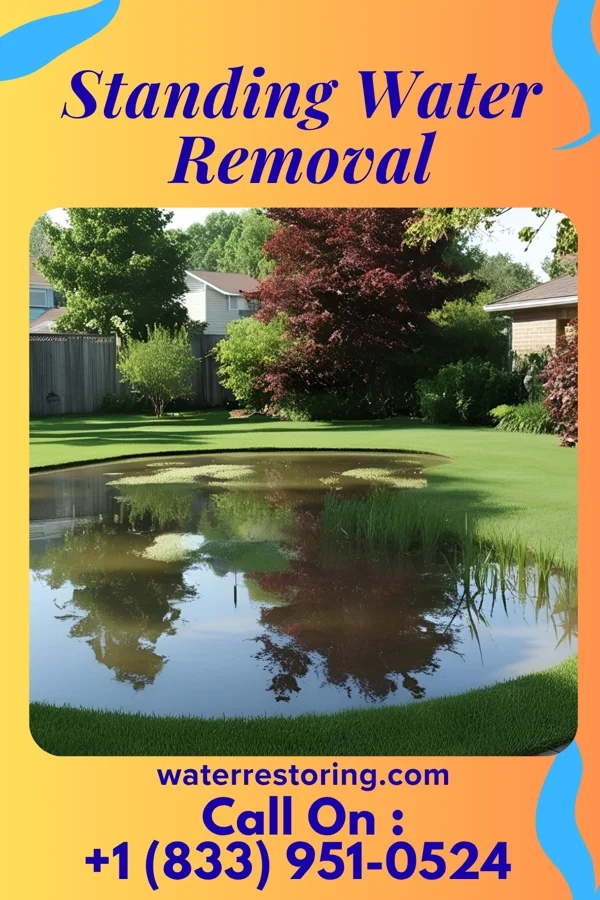
Ground-Water Standing Water in North Merritt Island
Water damage in North Merritt Island tends to cluster in predictable windows because of the local climate. In North Merritt Island, Florida, primary water damage often stems from flooding due to its low-lying geography and proximity to the Intracoastal Waterway. Heavy rainfall and storm surges during hurricane season frequently lead to standing water in residential and commercial properties. This area is particularly vulnerable to water intrusion during tropical storms and hurricanes. A close second is Secondary causes include plumbing failures, such as burst pipes and leaking water heaters, as well as roof leaks from aging infrastructure. Additionally, groundwater seepage through porous soil and inadequate drainage systems contribute to persistent moisture issues in the community..
North Merritt Island experiences a subtropical climate with high humidity and frequent thunderstorms, increasing the risk of water damage. The region's vulnerability to hurricanes and tropical storms means that water damage incidents can escalate quickly, requiring immediate and professional intervention.
North Merritt Island experiences a subtropical climate with high humidity and frequent thunderstorms, increasing the risk of water damage. The region's vulnerability to hurricanes and tropical storms means that water damage incidents can escalate quickly, requiring immediate and professional intervention. The dominant local driver is In North Merritt Island, Florida, primary water damage often stems from flooding due to its low-lying geography and proximity to the Intracoastal Waterway. Heavy rainfall and storm surges during hurricane season frequently lead to standing water in residential and commercial properties. This area is particularly vulnerable to water intrusion during tropical storms and hurricanes., with Secondary causes include plumbing failures, such as burst pipes and leaking water heaters, as well as roof leaks from aging infrastructure. Additionally, groundwater seepage through porous soil and inadequate drainage systems contribute to persistent moisture issues in the community. showing up as the next most common cause. Damage builds in stages. Spread. Absorption. Microbial growth. Structural compromise. Every stage you pass through adds to the final bill.